How to Choose the Best Mailer Packaging for Shipments?
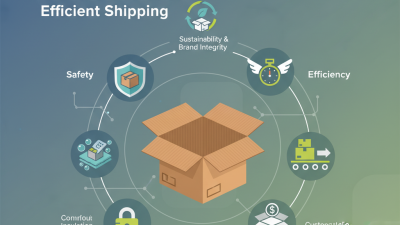
In the world of e-commerce, the importance of effective mailer packaging cannot be overstated. According to a report by the Freedonia Group, the mailer packaging market is expected to grow significantly, reaching $25 billion by 2024. This reflects increasing demand for safe, sustainable, and visually appealing packaging solutions. With 63% of consumers considering the packaging's impact on their overall satisfaction, it’s vital to choose the right mailer packaging.
Selecting appropriate mailer packaging involves understanding product types, shipment methods, and customer expectations. For example, improper packaging can lead to increased return rates, often costing retailers up to 30% of their sales. In contrast, high-quality mailers reduce damage during transit and enhance brand reputation. Brands must balance cost-effectiveness with quality and sustainability. The need for reflection on existing packaging strategies can drive innovation.
Ultimately, the right mailer packaging not only protects your products but also conveys your brand’s identity. It’s crucial to stay updated with industry trends and consumer preferences. Adopting best practices in mailer packaging can set a business apart in a competitive market.
Types of Mailer Packaging Commonly Used for Shipments
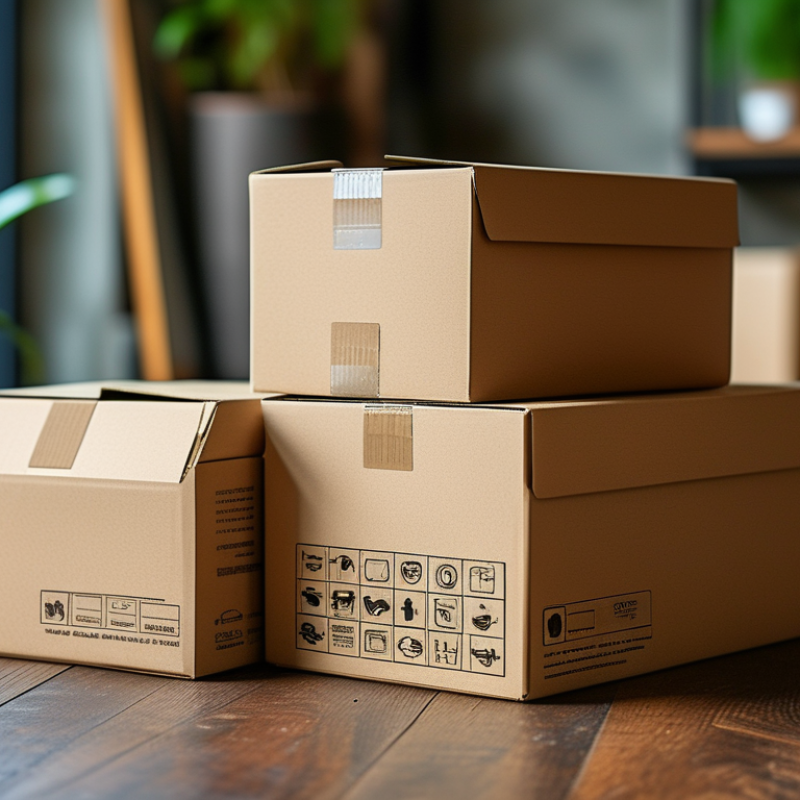
Mailer packaging plays a crucial role in ensuring that shipments arrive safely and efficiently. There are various types commonly used, each catering to different needs. Poly mailers are lightweight and waterproof. They are perfect for clothing and non-fragile items. Their flexibility allows them to accommodate various sizes, making them a popular choice.
Padded mailers provide extra protection for fragile items. They have built-in cushioning, which minimizes the risk of damage during transit. These mailers are often used for electronics or delicate products. Cardboard boxes offer the greatest protection for heavy or high-value shipments. However, their bulk can lead to higher shipping costs.
Consider the environmental impact of your packaging choices. Many materials are recyclable or biodegradable, which can enhance your brand's image. Not all customers prioritize sustainability, but it is essential to think about long-term effects. Finding the right balance between protection, cost, and environmental responsibility can be challenging. It's always helpful to reassess your choices based on shipment feedback and customer satisfaction.
Factors to Consider When Choosing Mailer Packaging
Choosing the best mailer packaging requires careful consideration of various factors.
The type of products being shipped plays a crucial role. Fragile items need more protective packaging.
Heavy items might require sturdier boxes. It's essential to match the packaging to the product demands.
The size of the mailer is another significant aspect.
Oversized packaging can lead to unnecessary costs.
Undersized packaging risks damage to the product.
Always measure your items before selecting the packaging.
Finding the right balance can save money and protect shipments.
Consider environmental impact too.
Many consumers favor eco-friendly packaging solutions.
Using sustainable materials not only appeals to customers but can enhance a brand's reputation.
Yet, sourcing affordable eco-friendly options can be challenging.
When in doubt, test different packaging methods.
Seek feedback from customers about the mailer experience.
Learn what works and what doesn't.
Your packaging should not only protect items but also reflect your brand identity.
This ongoing evaluation will help refine your approach over time.
Evaluating the Durability of Different Packaging Materials
When selecting packaging for shipments, durability is key. Strong materials protect items during transit. Consider cardboard boxes, bubble mailers, or padded envelopes. Each option presents unique benefits. Cardboard boxes offer rigidity, while bubble mailers provide cushioning. The right choice hinges on what you’re sending.
Inspect the strength of different materials. Cardboard can withstand significant weight but may compress. Bubble mailers absorb shocks but might not withstand sharp objects. For fragile items, a combination of both materials can enhance protection.
Think about your packaging’s eco-friendliness. Many durable materials are now recyclable or compostable. Choosing environmentally safe options adds value to your brand and attracts conscious consumers. Consider testing various materials in real-world shipping situations. Document your findings to identify the best solutions for your needs.
Tips for Ensuring Cost-Effectiveness in Mailer Packaging
Choosing the right mailer packaging can significantly impact your shipping costs. Cost-effectiveness in mailer choices is essential for businesses of all sizes. Firstly, assess your items' dimensions and weight. This information helps in selecting appropriately sized packaging. Oversized boxes can lead to higher shipping fees. Consider using padded envelopes for smaller, lighter items. They are often more affordable than boxes.
Another crucial aspect is material selection. Eco-friendly options can save costs in the long run. While they might have a higher upfront cost, they attract customers who value sustainability. Opt for materials that offer protection without adding bulk. This not only helps in cost savings but also minimizes environmental impact.
Experimentation plays a vital role in optimizing packaging. Testing different designs can reveal more economical options. You might find that a slight adjustment in size or material can reduce wastage and costs. However, it requires careful observation and adaptation. Analyzing customer feedback will also guide refinements. Effective mailer packaging is a blend of cost management and customer satisfaction.
Best Practices for Preparing Shipments with Chosen Packaging
Selecting the right packaging for your shipments is crucial. Properly preparing your goods ensures they reach their destination unscathed.
To start, consider the type of items you're shipping.
Fragile items need sturdy cushioning. You may need to experiment with different materials like bubble wrap or foam inserts.
Once your packaging is chosen, secure everything tightly. Loose items can shift and sustain damage during transit. Test the strength of your shipper's seals, ensuring they hold up under pressure. Remember that packaging aesthetics matter too. A well-presented package enhances your brand image and shows you care about the recipient's experience.
It's easy to overlook details in the excitement of shipping. However, overlooked aspects lead to issues. Always double-check the dimensions, ensuring your package meets shipping regulations. Reflect on past experiences where packaging failed. Learning from these situations can prevent costly mistakes in the future. Effective packaging requires continuous improvement, so don’t hesitate to make adjustments based on feedback.