China Top Retail Packaging Trends for Global Buyers?
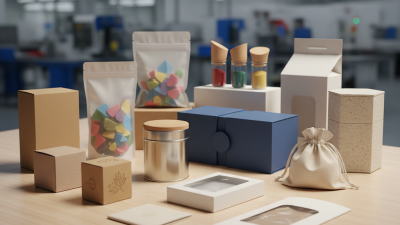
The retail packaging industry in China is rapidly evolving, significantly impacting global buyer strategies. According to a recent report by Smithers Pira, the global market for retail packaging is projected to reach $500 billion by 2025. This growth reflects an increasing demand for innovative packaging solutions that cater to consumer preferences for sustainability and functionality. Packaging expert Dr. Jane Liu has stated, "Innovative retail packaging not only attracts consumers but also enhances product value."
As environmental concerns rise, brands are seeking eco-friendly materials and designs. Biodegradable packaging has surged in popularity, with a 30% increase reported in the last year alone. Additionally, customized packaging is becoming crucial, allowing brands to create a more personalized consumer experience. However, companies must also reflect on their choices. Some overlook the balance between aesthetics and functionality, risking product integrity.
The landscape of retail packaging in China showcases creativity, but challenges remain. Brands must navigate consumer expectations and sustainability demands effectively. The focus on creating visually appealing packages sometimes overshadows practical considerations. As the industry continues to develop, buyers must stay informed about emerging trends and adapt their strategies accordingly.
Emergence of Sustainable Packaging Solutions in China Retail Sector
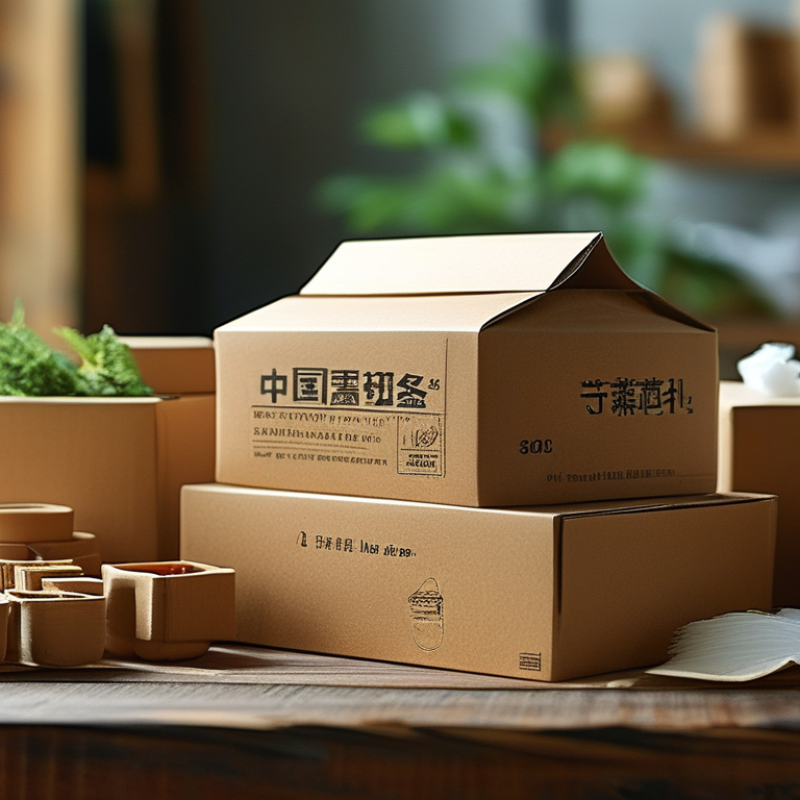
The retail sector in China is witnessing a significant shift towards sustainable packaging solutions. According to a recent report by Statista, over 40% of Chinese consumers prioritize eco-friendly packaging when making purchasing decisions. This reflects a broader trend as the awareness of environmental issues grows among shoppers. Retailers are responding by integrating biodegradable materials and recyclable options into their packaging strategies.
Many brands are experimenting with innovative materials to reduce waste. For example, a study published by the China Packaging Federation highlighted that the use of plant-based materials has increased by 25% in the past year. However, challenges persist. Not all sustainable packaging solutions are cost-effective. Many companies struggle to find the right balance between environmental responsibility and affordability. This dilemma often hinders adoption.
Consumer expectations are evolving rapidly. There's a clear demand for transparency in sourcing and production. A survey conducted by Nielsen revealed that 67% of consumers are willing to pay more for sustainable brands. Retailers must align their practices with these values to remain competitive. As the market for sustainable packaging continues to expand, companies must reflect on their approach and prioritize genuine commitment over superficial fixes.
Impact of E-commerce Growth on Retail Packaging Innovations
The rapid growth of e-commerce in China has significantly influenced retail packaging trends. Online shopping requires packaging that not only protects products but also enhances customer experience. Brands are increasingly adopting sustainable materials, which appeal to conscious consumers. It's not just about eco-friendliness; aesthetics play a crucial role too. Customers share unboxing experiences on social media, making the visual appeal of packaging essential.
Innovation in packaging design has also gained momentum. Many brands experiment with minimalistic designs that reduce excess waste. However, this trend brings challenges, such as finding the right balance between simplicity and functionality. Moreover, the rise of personalized packaging options allows brands to connect more intimately with consumers. Yet, this can lead to increased costs and complexity in production.
E-commerce also demands flexibility in packaging sizes to accommodate various shipping methods. Brands must rethink their packaging strategies continuously. Adapting to consumer feedback and market trends can be a daunting task. However, embracing these challenges can lead to significant rewards in building brand loyalty and enhancing customer satisfaction. Retailers must remain agile to succeed in this evolving landscape.
China Top Retail Packaging Trends for Global Buyers
Consumer Preferences Shaping Packaging Design Trends in China
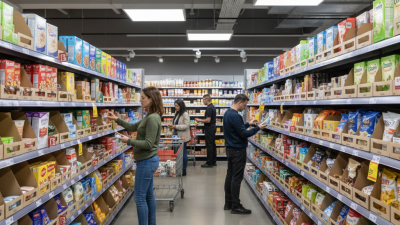
In China, consumer preferences are dramatically shaping retail packaging trends. A 2023 report indicates that 74% of consumers consider packaging before making a purchase. This highlights the importance of visual appeal. Today's Chinese shoppers favor eco-friendly materials. Over 60% prefer packaging that is recyclable or made from biodegradable materials. Brands must consider sustainability seriously.
Colors and textures play a vital role in attracting consumers. Research shows that 33% of consumers are influenced by packaging design. Bright colors and unique textures often catch the eye. However, some consumers feel overwhelmed by excessive designs. This leaves brands needing a careful balance between creativity and simplicity.
Transparency is becoming crucial as well. Consumers today demand to know what's inside the package. They prefer clear labeling and minimalistic designs. This trend reflects a desire for trust and authenticity. Brands that fail to adapt may lose market relevance. Companies should focus on creating packaging that resonates with a more informed audience. A thoughtful approach can lead to better consumer engagement.
Adoption of Smart Packaging Technologies by Chinese Retailers
The adoption of smart packaging technologies is reshaping the retail landscape in China. According to a recent report by the China Packaging Federation, the smart packaging market is projected to grow at a compound annual rate of 12% from 2021 to 2026. This trend reflects a significant shift as retailers aim to enhance customer experience and operational efficiency.
Smart packaging solutions include features like QR codes and NFC tags. These technologies not only allow for better product tracking but also engage consumers through interactive experiences. A survey conducted by the Packaging Research Institute revealed that 70% of Chinese consumers are more likely to purchase products with smart packaging. However, challenges remain. Many retailers struggle with the high initial investment and need for technical expertise.
Despite these hurdles, the benefits are clear. Improved supply chain transparency and product authentication are critical in today's market. Yet, some retailers are still hesitant, fearing that tech may complicate their operations. Finding the right balance between innovation and practicality is essential for future success.
Regulatory Influences on Packaging Materials and Sustainability Practices
In recent years, regulatory frameworks in China have influenced packaging materials significantly. Sustainable practices are no longer optional. A report from the China Packaging Federation indicates that over 70% of manufacturers are adopting eco-friendly materials. This reflects a growing pressure to comply with environmental standards and consumer demand for sustainability.
The introduction of regulations addressing plastic usage has compelled companies to rethink their packaging strategies. For instance, the ban on single-use plastic bags has pushed many retailers toward biodegradable alternatives. However, challenges remain. Many manufacturers still struggle with the cost of sustainable materials versus traditional options. Additionally, consumer awareness and education on these materials are still developing.
Sustainable packaging is not just about compliance; it’s also about innovation. As new technologies emerge, companies are testing smart packaging solutions that enhance user experience while minimizing waste. Research shows that consumers are willing to pay 20% more for products with sustainable packaging. Yet, many brands fail to communicate their sustainability efforts effectively. Bridging this gap is essential for future success.
China Top Retail Packaging Trends for Global Buyers
| Trend |
Influence Factors |
Sustainability Practices |
Regulatory Standards |
| Eco-Friendly Materials |
Increased consumer awareness and demand |
Use of biodegradable and recyclable materials |
Compliance with national environmental regulations |
| Minimalistic Design |
Trends towards simplicity and elegance in visual appeal |
Reduction of excess packaging |
Regulations to prevent over-packaging |
| Smart Packaging |
Technological advancements and consumer demand for interactivity |
Integration of QR codes and digital content |
Standards for electronic and communicative packaging |
| Local Sourcing |
Desire to support local economies |
Use of locally sourced materials to reduce carbon footprint |
Local content regulations |
| Customizable Packaging |
Increased personalization trend |
Opportunities for sustainable customization options |
Compliance with safety and labeling regulations |