Top Trends in Commerce Packaging for 2026 and Beyond?
As we approach 2026, commerce packaging continues to evolve. Businesses face increasing pressure to adapt to consumer demands and environmental concerns. Innovative designs and sustainable materials are becoming the norm. Brands must balance aesthetics and functionality in their packaging choices.
Prominent trends indicate a shift towards minimalism and eco-friendliness. Customers now prefer packaging that minimizes waste while still building brand identity. Creative solutions are emerging, like biodegradable materials and reusable designs. However, some companies struggle to transition to these new practices. This raises questions about sustainability.
Additionally, technology plays a vital role in commerce packaging. Smart packaging solutions, like QR codes, enhance customer engagement. Yet, there are challenges. Not all brands can keep up with rapid technological changes. As we navigate these shifts, it’s crucial to reflect on the implications for both businesses and consumers. The future of commerce packaging promises exciting possibilities, but not without hurdles.

Emerging Materials Shaping Future Commerce Packaging Solutions
The landscape of commerce packaging is evolving rapidly. Emerging materials are at the forefront of this transformation. For instance, biodegradable materials are gaining traction. Market research indicates that the biodegradable packaging industry is projected to grow by over 14% annually through 2026. This is due to increasing consumer demand for sustainable options.
Innovative materials like seaweed-based films and mushroom packaging are now emerging. These alternatives provide effective protection while reducing environmental impact. Companies are recognizing their potential to enhance brand image. However, challenges remain in scaling production and cost efficiency.
Tip: Consider using minimalistic designs. Simple packaging often reduces waste and costs.
Additionally, smart packaging technologies are on the rise. Packaging with embedded sensors can monitor freshness. This feature helps reduce food waste significantly. Recent studies show that smart packaging could reduce waste by 30% in the food industry.
Tip: Educate consumers on the benefits of smart packaging. Awareness can drive acceptance and foster better practices.
As the industry progresses, reevaluating packaging strategies is crucial. Embracing new materials may be challenging but rewarding long-term. The potential to lead in sustainability is within reach.
Top Trends in Commerce Packaging for 2026 and Beyond
| Trend |
Description |
Emerging Materials |
Sustainability Impact |
| Biodegradable Packaging |
Packaging that naturally decomposes, reducing landfill waste. |
PLA (Polylactic Acid), Hemp-based composites |
Reduces plastic pollution and carbon footprint. |
| Smart Packaging |
Integrates technology for tracking and authenticity verification. |
RFID tags, QR codes |
Enhances product safety and reduces losses. |
| Minimalist Design |
Focuses on simplicity and functionality in packaging. |
Recycled cardboard, Bioplastics |
Lowers material use and waste generation. |
| Reusable Packaging |
Designed for multiple uses, reducing disposal frequency. |
Glass, Durable plastics |
Significantly cuts down on single-use waste. |
| Innovative Barrier Coatings |
Enhances shelf life and product protection without extra layers. |
Plant-based coatings, Nanotechnology |
Reduces spoilage and waste during distribution. |
Sustainable Practices Driving Eco-Friendly Packaging Innovations
The push for sustainable practices is reshaping commerce packaging profoundly. Consumers today demand eco-friendly options. Plastic waste is becoming a major concern. Brands are responding by innovating packaging materials. For instance, biodegradable plastics and plant-based inks are gaining traction. These materials reduce environmental impact significantly. Still, challenges remain. Not all biodegradable options break down effectively in landfills.
Recyclability is another focal point. Efficient design can make recycling easier. Yet, many packages fail to consider consumer habits. If recycling bins aren’t accessible, products end up in trash. Education about proper disposal is crucial for success. Clear labeling could guide consumers in the right direction.
Additionally, companies are exploring minimalist designs. Reducing excess packaging can lower waste. However, this practice may compromise product protection. Striking a balance between aesthetics and functionality is necessary. There’s room for improvement as brands navigate these complexities. Feedback from consumers could drive future developments in sustainable packaging. The journey is ongoing, with much to learn and adapt.
Top Trends in Commerce Packaging for 2026 and Beyond
This chart illustrates the rising market interest in various sustainable packaging trends, highlighting the importance of eco-friendly innovations. The growing consumer demand for recyclable materials and biodegradable options reflects a shift towards sustainability in commerce packaging.
Technological Advances Influencing Smart Packaging Trends
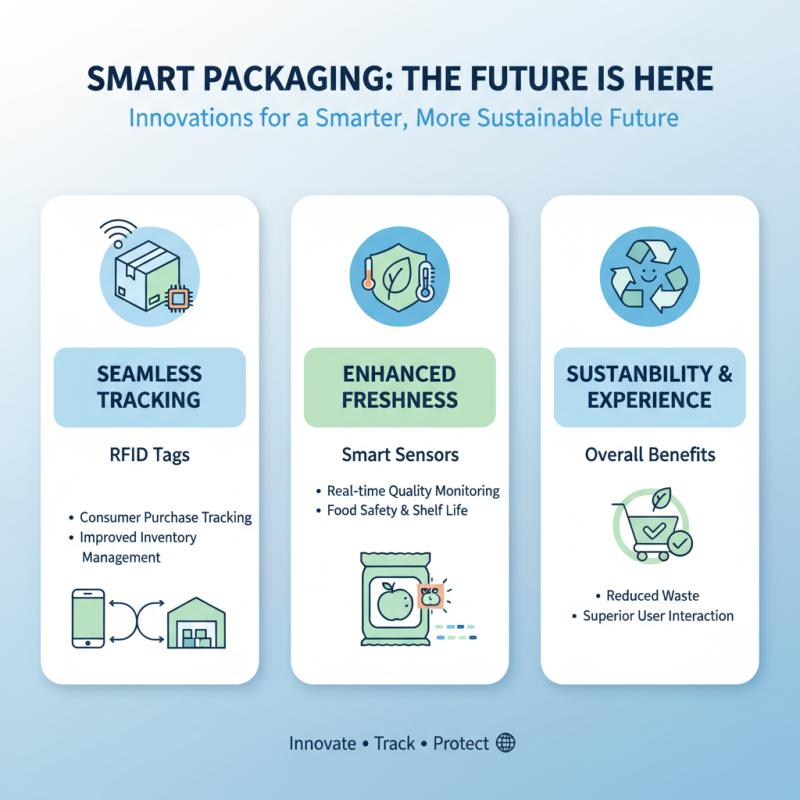
In recent years, technological advances have shaped the landscape of smart packaging. These innovations enhance user experience and improve sustainability. One prominent trend is the integration of RFID tags. These tags allow consumers to track their purchases easily. They also help companies manage inventory better. Smart sensors embedded in packaging can monitor freshness. This is crucial for food products, ensuring quality and safety.
Tips: Consider using eco-friendly materials. Consumers are increasingly opting for sustainable choices. Additionally, invest in interactive packaging. It engages customers, creating a memorable experience.
Another exciting development is augmented reality (AR). AR transforms packaging into a dynamic interface. Users can scan packages for more information, recipes, or promotional offers. This technology not only informs but entertains. However, brands need to ensure the content is relevant. There are risks in overwhelming consumers with information.
Tips: Keep AR experiences simple. Focus on one key message. Also, ensure accessibility for all users. Sometimes, tech can unintentionally alienate certain groups. Balancing innovation with usability is essential for successful smart packaging.
Customization and Personalization in Packaging Design for Brands
Customization and personalization in packaging design are reshaping the commerce landscape. Consumers today crave unique experiences. Packaging is often the first interaction with a product. A memorable unboxing moment can turn casual buyers into loyal customers. Brands are starting to realize this potential.
Innovative designs that reflect individual preferences are on the rise. Bright colors, quirky shapes, and interactive elements attract attention. However, there is a challenge here. Striking the right balance between creativity and sustainability is crucial. Excessive packaging can lead to waste. Brands must find eco-friendly materials that also cater to customization.
Personalized packaging can also include messages or names. This adds a thoughtful touch that customers appreciate. While it enhances engagement, it's essential to consider production costs. Creating too many variations can complicate processes. Thus, brands must think strategically. Can they maintain efficiency while offering personalization? This is a question worth pondering in the evolving world of commerce packaging.
Consumer Behavior Shifts Impacting Packaging Strategies for Retailers
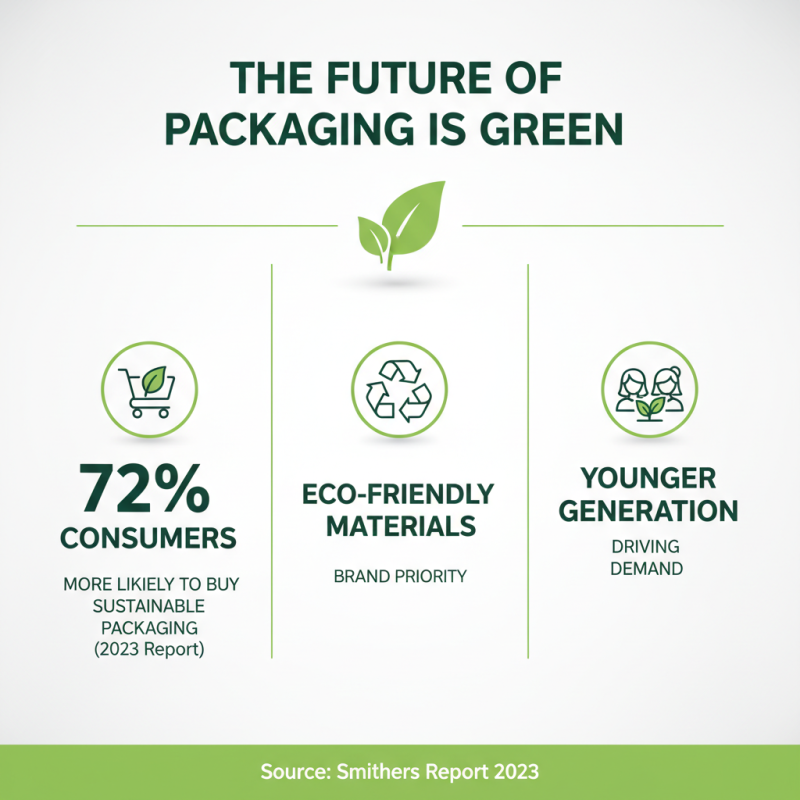
In recent years, consumer preferences have shifted significantly, influencing packaging strategies across the retail landscape. A 2023 report from Smithers highlights that 72% of consumers are more likely to purchase goods that use sustainable packaging. With an increased focus on environmental responsibility, brands are prioritizing eco-friendly materials. This trend is expected to grow as younger consumers enter the marketplace.
Understanding these shifts is crucial for retailers. Recent data shows that 67% of shoppers are influenced by packaging design. Packaging not only protects products but also serves as a key touchpoint for brand identity. However, achieving eye-catching designs can sometimes lead to excess waste. Retailers must balance aesthetics and sustainability.
**Tips:** Consider using biodegradable materials for packaging. Align with consumer values to enhance brand loyalty. Always assess the environmental impact of your choices. Engaging visuals can attract customers, but keep sustainability in mind. Addressing these factors can lead to meaningful improvements in packaging strategies.