Why Short Run Packaging Is Essential for Small Businesses and Startups?
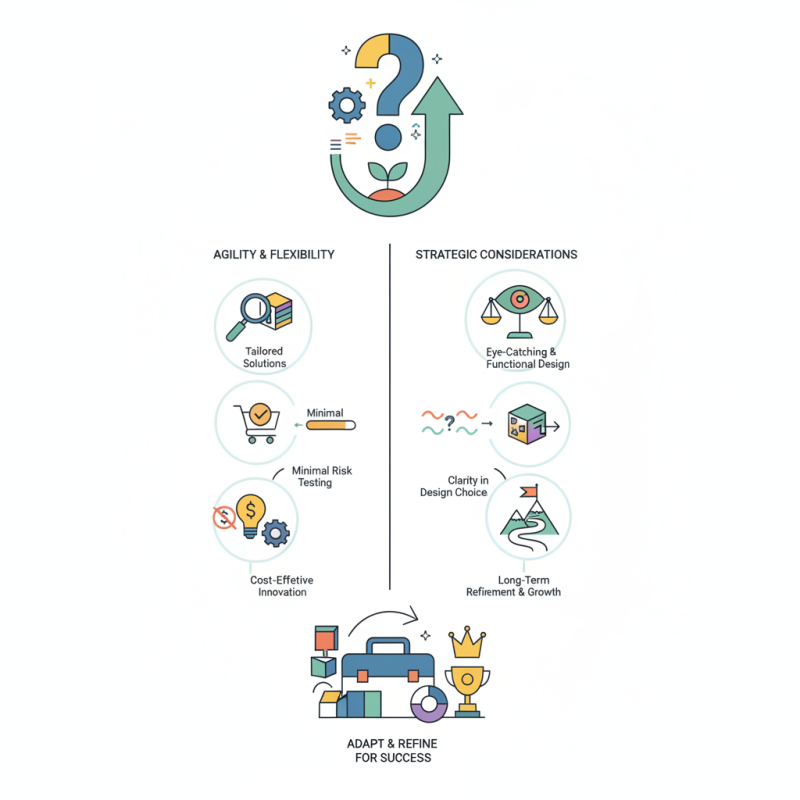
In today's competitive market, short run packaging has become a vital strategy for small businesses and startups. According to industry expert Jane Smith, "Short run packaging allows smaller brands to compete with larger companies by offering agility and flexibility." This agility translates to tailored packaging solutions that meet specific customer needs without excessive inventory.
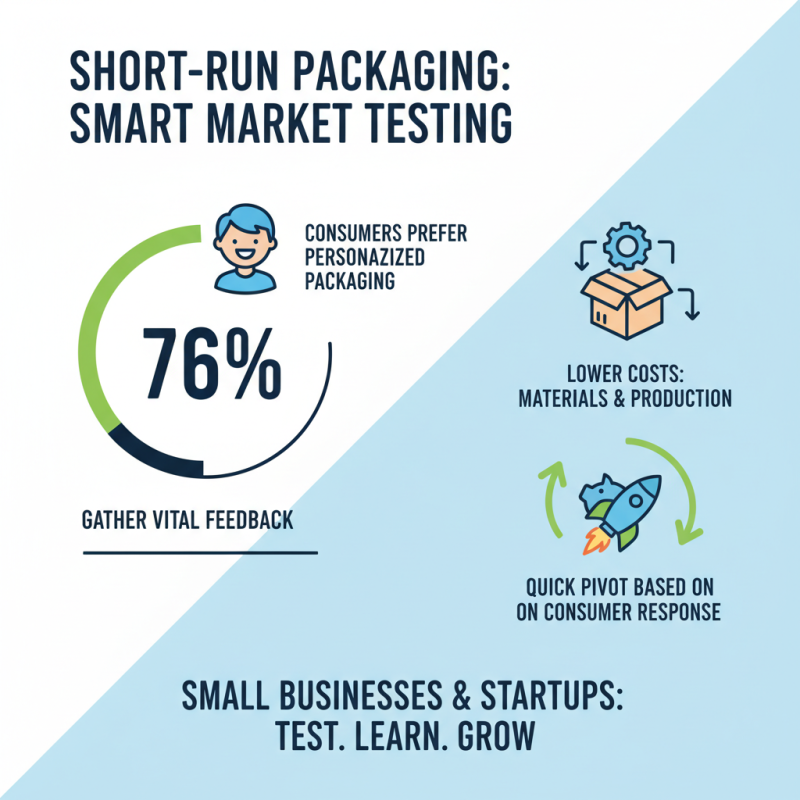
Short run packaging caters to unique demands, enabling businesses to test products with minimal risk. Many new brands can find traditional packaging methods to be cost-prohibitive. By utilizing short run packaging, they can produce smaller quantities without sacrificing quality. It opens doors for experimentation and innovation in product presentation.
However, it's important to realize that this solution has its limitations. Small businesses must ensure their designs are not only eye-catching but also functional. Oftentimes, the line between effective and ineffective design can blur. Critical reflection on their packaging choices can lead to better results in the long run. Ultimately, short run packaging serves as a valuable tool for those willing to adapt and refine their approach in a challenging market.
Importance of Short Run Packaging for Small Businesses
Short run packaging is increasingly vital for small businesses and startups. According to a report by Smithers Pira, the short run packaging market is expected to grow by over 25% by 2025. This growth highlights the increasing importance of customized packaging solutions. For small enterprises, the benefits are clear: flexibility, cost-effectiveness, and faster time-to-market.
Small businesses often operate on limited budgets. With short run packaging, they can minimize waste and avoid large upfront costs associated with traditional packaging methods. A study from Technavio suggests that 50% of small firms cite reduced inventory costs as a key advantage. This means companies can adapt their packaging to market trends without significant financial risk. However, many still struggle to find balance. They want customization but fear the implications of smaller runs.
Consumer preferences are evolving. Research shows that 70% of customers are more likely to buy from brands that use sustainable packaging. Short run packaging allows startups to test eco-friendly materials and designs. However, it is crucial to avoid shortcuts. Quality must not be compromised for cost. Businesses need to experiment, but they should also reflect on their brand integrity. This ongoing process can lead to insightful adjustments that enhance sustainability while meeting consumer demands.
Why Short Run Packaging Is Essential for Small Businesses and Startups?
| Aspect |
Description |
Benefit |
| Cost-Effectiveness |
Allows small businesses to avoid large upfront investments in packaging. |
Helps to maintain cash flow and manage budget effectively. |
| Flexibility |
Short run packaging enables quick adaptation to market changes. |
Allows businesses to respond faster to trends and customer demands. |
| Brand Customization |
Provides opportunities for unique packaging designs that reflect the brand identity. |
Enhances brand recognition and customer loyalty. |
| Sample Production |
Allows businesses to create prototypes or limited editions for testing purposes. |
Reduces risk by validating products before full-scale production. |
| Environmental Responsibility |
Short run packaging often uses smaller quantities, reducing waste. |
Supports sustainable practices and appeals to eco-conscious consumers. |
Cost-Effectiveness of Short Run Packaging Solutions
Short run packaging is gaining traction among small businesses and startups due to its cost-effectiveness. According to a recent industry report, 33% of small business owners cite packaging costs as a major concern. Short run options lower the initial investment, making quality packaging accessible. This approach avoids excess inventory, which can be costly to store and manage.
Many small businesses struggle with tight budgets. Short run packaging facilitates tailored solutions without breaking the bank. For example, small batches allow companies to test designs and market reactions. This flexibility supports adjustments based on customer feedback. Interestingly, 45% of startups reported increased sales when they implemented short run packaging. It provides a vital edge in today's competitive landscape.
Tips: Invest in targeted research. Understand your audience's needs and preferences. Use short runs to experiment and discover what resonates. Another piece of advice is to evaluate suppliers carefully. Not all can deliver quality in small quantities. Create partnerships that foster growth and flexibility. It's essential to reflect on your choices and continuously seek improvement.
Cost-Effectiveness of Short Run Packaging Solutions
Customization Options in Short Run Packaging for Startups
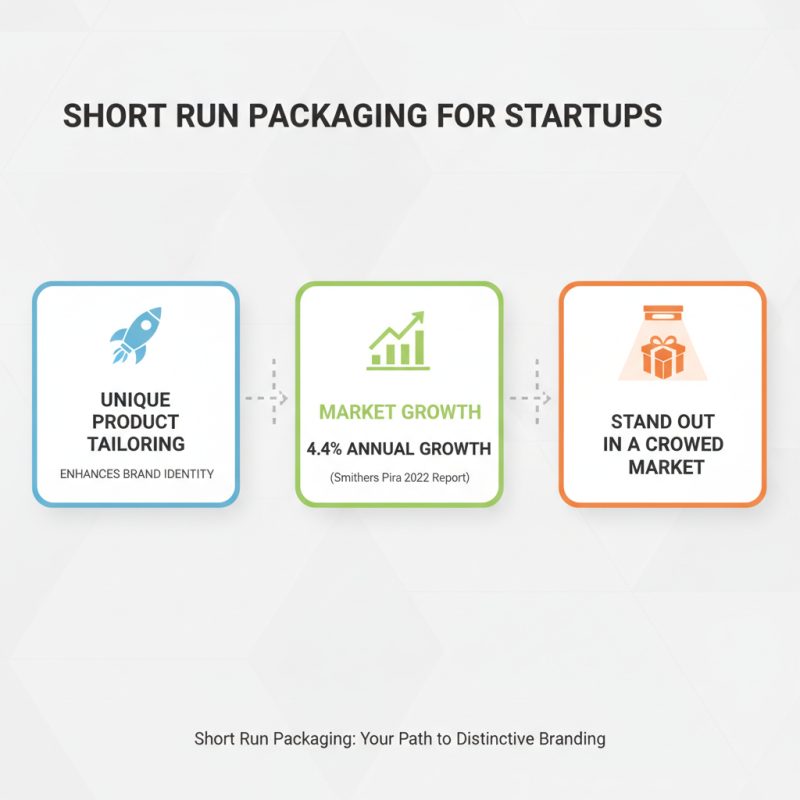
Short run packaging offers startups a unique opportunity to tailor their products. This customization enhances brand identity. According to a 2022 report from Smithers Pira, the demand for customized packaging solutions is projected to grow by 4.4% annually. This trend highlights the increasing need for businesses to stand out in a crowded market.
Startups can choose from various materials, sizes, and finishes. This flexibility enables them to create packaging that resonates with their target audience. For instance, eco-friendly options are gaining popularity. A study by Nielsen revealed that 73% of consumers are willing to pay extra for sustainable products. This statistic underscores the importance of customization in meeting customer preferences.
However, short run packaging can be challenging. Many startups struggle with costs. They may need to balance quality and affordability. It’s crucial to find a reliable supplier that offers scalability. This way, businesses can adjust their packaging as they grow. By understanding these dynamics, startups can better navigate the complexities of packaging while effectively connecting with their customers.
Flexibility and Speed in Short Run Packaging Production
Short run packaging has become crucial for small businesses and startups. Flexibility is a key advantage. With 72% of consumers seeking personalized products, short run packaging allows businesses to create customized designs rapidly. Small batches mean you can respond quickly to market trends. This agility can lead to increased customer satisfaction.
Speed is another factor. Research shows that 60% of startups struggle with time-to-market. Short run packaging cuts down lead times, enabling quicker product launches. For instance, if a new trend emerges, brands can adapt their packaging in a matter of weeks instead of months. This responsiveness keeps businesses competitive.
Tips: Consider leveraging digital printing for short run projects. It often provides lower costs and shorter turnaround times. Always analyze customer feedback for packaging designs. Iterating based on what consumers prefer can lead to better sales. Lastly, remember, not every design will hit the mark. Reflect on past efforts and refine your approach continuously.