Why Is Effective Retail Store Packaging Essential for Sales?
In today's competitive marketplace, effective retail store packaging plays a crucial role in attracting customers and driving sales. Retailers must recognize that the packaging is often the first interaction a consumer has with a product. Eye-catching designs and informative labels can make a significant impact on purchasing decisions. This aspect of branding influences perceptions of quality and value.
However, many retailers overlook the importance of packaging. They may focus solely on cost, disregarding the potential benefits of well-designed packaging. In some cases, packaging can enhance the shopping experience, making it easier for customers to understand product offerings. A well-thought-out retail store packaging strategy can differentiate a product in a crowded aisle.
Despite its importance, some businesses struggle with consistency in their packaging approach. They may change designs too frequently or fail to align packaging with brand messaging. An inconsistent packaging strategy can confuse consumers and dilute brand identity. Thus, it is essential for retailers to reflect on their packaging choices and create a cohesive and appealing presentation that resonates with their target audience.
The Role of Packaging in Attracting Consumer Attention
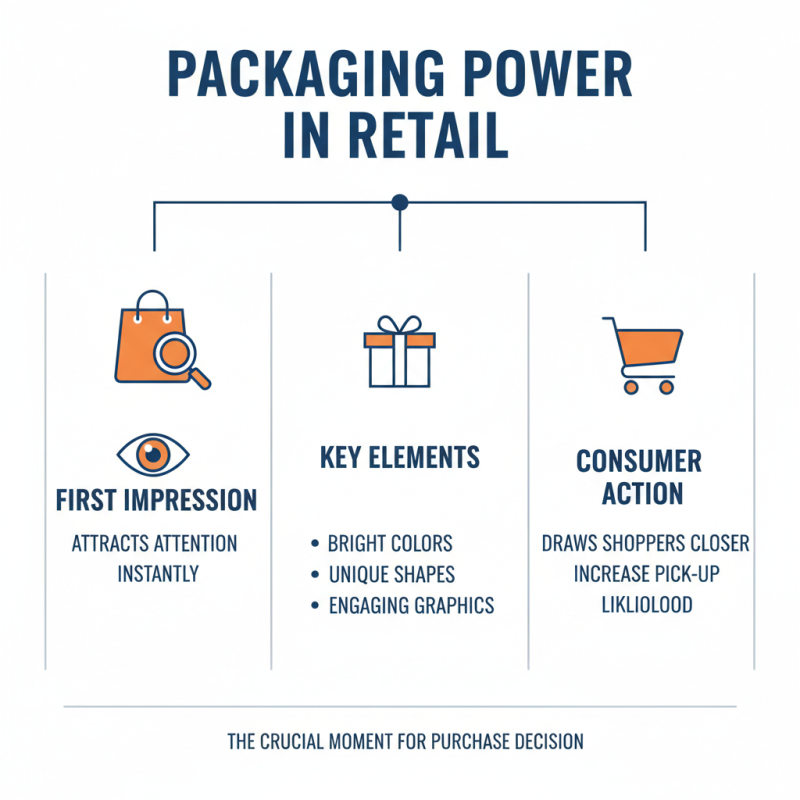
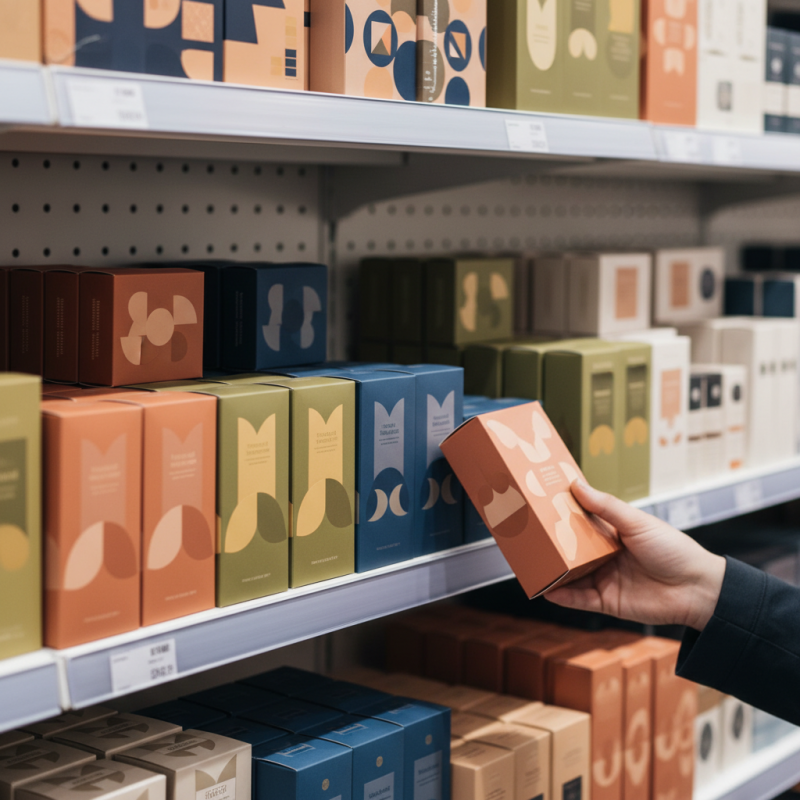
Packaging plays a crucial role in retail. It’s the first thing consumers notice. Attractive packaging captures attention instantly. Bright colors, unique shapes, and engaging graphics can draw shoppers closer. They might pick up a product just because of its packaging. This moment is vital for initial impressions.
However, not all packaging is effective. Some designs can confuse or overwhelm consumers. If a package is too complicated, it might turn them away. Clear and straightforward packaging often works best. It should communicate the product’s purpose instantly. Simple, effective designs can lead to faster purchasing decisions.
Moreover, sustainable packaging is becoming more important. Eco-friendly materials attract a growing number of consumers. They appreciate brands that care for the environment. This can influence their buying choices significantly. However, achieving the right balance between aesthetics and sustainability can be challenging. Some brands struggle to maintain visual appeal while being eco-conscious. This area needs careful consideration for future developments.
Understanding the Psychological Impact of Packaging Design
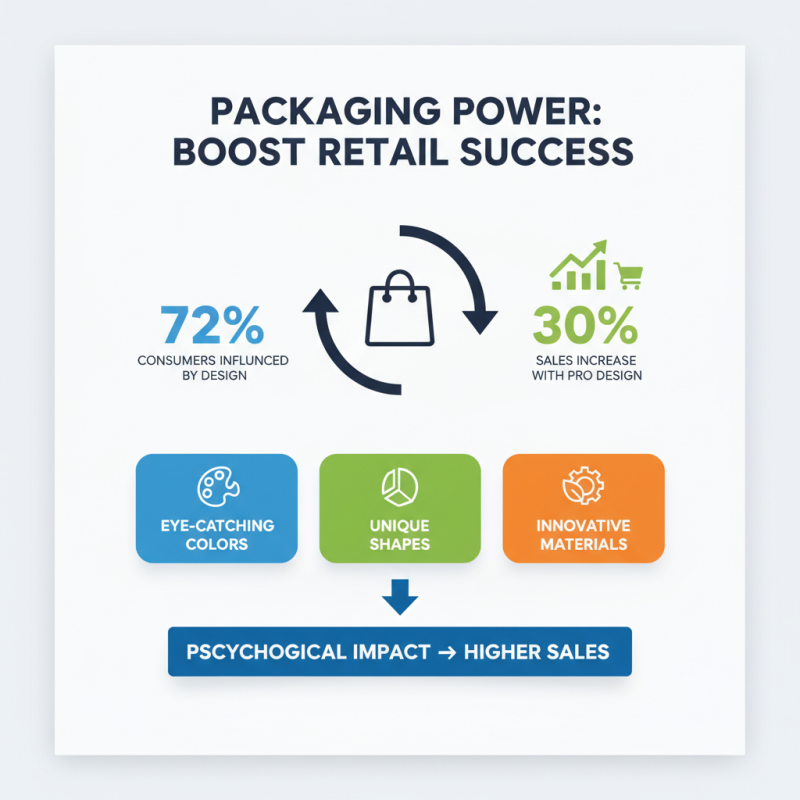
Effective packaging design is crucial for retail success. Research shows that 72% of consumers say packaging design influences their purchasing decisions. Eye-catching colors, unique shapes, and innovative materials catch customers' attention. This psychological impact can lead to a significant increase in sales. Brands that invest in professional packaging design report up to a 30% increase in sales.
The sensory experience of packaging matters too. Tactile elements can create a sense of quality, while vibrant colors evoke emotions. Studies indicate that products with premium packaging are perceived as higher quality. However, not all brands get it right. Some focus too much on aesthetics and neglect functionality. For example, difficult-to-open packaging can frustrate customers. These details are crucial in a competitive marketplace where consumers demand simplicity and convenience.
In a world filled with choices, first impressions count. Beautiful packaging can draw customers in, but if it fails to offer a good user experience, the effort is wasted. Brands must balance design with practicality. Continuous evaluation of packaging strategies is essential. Retailers need to ask: does our packaging truly resonate with customers? Striking the right balance can elevate a brand's market presence.
How Effective Packaging Influences Purchase Decisions
Effective packaging plays a crucial role in influencing consumer purchase decisions. Studies show that nearly 72% of shoppers make decisions at the point of sale. This means that the packaging acts as a silent salesperson. A visually appealing package grabs attention. It creates a lasting impression in just seconds.
Research indicates that 90% of consumers have formed an opinion about a product based on its packaging alone. Colors, shapes, and materials matter. Bright colors can increase sales by up to 24%. However, not all packaging resonates positively with consumers. Cluttered designs may confuse instead of attract. Many brands still overlook this aspect, leading to missed opportunities.
Sustainability is increasingly crucial for shoppers. A report highlights that 62% of consumers prefer eco-friendly packaging. Consumers, especially younger ones, prioritize brands that take environmental concerns seriously. They may even pay more for sustainable options. Yet, many retailers fail to adapt to this trend, risking alienation from a significant market segment. The challenge lies in balancing aesthetic appeal with functional and sustainable practices.
Why Is Effective Retail Store Packaging Essential for Sales?
| Packaging Aspect |
Impact on Purchase Decisions |
Statistics (%) |
| Visual Appeal |
Attracts customer attention |
62 |
| Informative Labeling |
Informs customers about product benefits |
45 |
| Sustainability |
Influences environmentally conscious buyers |
50 |
| Portability |
Convenience for on-the-go consumers |
38 |
| Brand Recognition |
Enhances customer loyalty |
55 |
The Importance of Packaging for Brand Identity and Recognition
Packaging plays a vital role in brand identity. It’s the first thing consumers notice. Attractive packaging creates a lasting impression. According to a recent survey, 72% of consumers say packaging design influences their purchasing decisions. This shows how crucial it is for brands to invest in effective packaging strategies.
Good packaging reflects brand values. Eco-friendly materials draw positive attention. In fact, 66% of consumers are willing to pay more for sustainable packaging. Brands that ignore these shifts might fall behind. Visual elements, like color and typography, contribute to brand recognition. Studies indicate that consistent branding can increase revenue by up to 23%.
However, not every package hits the mark. Some designs can be overly complicated or confusing. This can lead to a poor consumer experience. It’s essential for brands to regularly evaluate their packaging's effectiveness. Consistent feedback from customers can drive improvements. Balancing creativity and clarity in packaging can achieve better sales results.
Packaging Innovations and Their Effect on Retail Success
Packaging innovations play a vital role in retail success. Creative designs can attract customers instantly. A unique shape or bold colors can make a product stand out on crowded shelves. When packaging is eye-catching, it invites customers to engage. This first impression is crucial; it can make or break a sale.
However, not all packaging innovations are effective. Sometimes, a flashy design overshadows the product's true essence. A customer might be drawn in by the aesthetics but feel disappointed by the quality inside. Therefore, balance is key. The packaging should reflect the product's value while remaining appealing.
Sustainable packaging is gaining traction, too. More consumers prefer eco-friendly materials. Brands adopting green practices can build trust. But, if a brand’s claim of being eco-friendly is misleading, it could backfire. Transparency matters. Effective packaging isn't simply about innovation; it also requires responsibility and authenticity.
Impact of Packaging Innovations on Retail Sales