Top Display and Packaging Trends You Should Know?
In the rapidly evolving world of display and packaging, trends are constantly shifting. To stay relevant, brands must adapt. Industry expert Jane Smith once stated, "Understanding the latest trends in display and packaging is vital for brand success." This highlights the importance of innovation in this field.
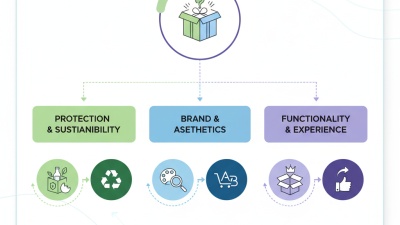
Today, consumers crave unique experiences. Eye-catching designs and sustainable materials have become essential. Packaging is no longer just a protective layer; it serves as a vital part of brand identity. Businesses must find creative solutions that resonate. However, many still struggle to find the right balance between aesthetics and functionality.
While trends like minimalism and eco-friendliness dominate, there’s room for reflection. Many companies follow trends blindly, risking their unique voice. It's crucial to evaluate how these trends align with brand values. The challenge lies in embracing creativity while ensuring that display and packaging remain effective and purposeful.
Emerging Materials in Packaging: Sustainable Solutions on the Rise
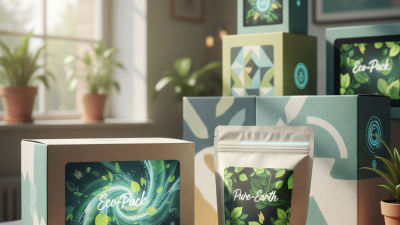
Sustainability in packaging is gaining traction. More companies are shifting towards eco-friendly materials. Studies show that 74% of consumers prefer sustainable packaging. This trend is changing how businesses approach their products.
Emerging materials like biodegradable plastics and recycled paper are leading the way. These materials reduce waste in landfills and can often be reused. The global demand for sustainable packaging is projected to grow significantly. It is estimated that the market will reach $400 billion by 2027.
Tips: Consider using compostable materials in your packaging. They break down naturally, reducing environmental impact. Regularly assess your suppliers to ensure they meet sustainability standards. Small changes can make a big difference in your packaging strategy. Always reflect on the life cycle of your packaging choices.
The Impact of E-commerce on Display and Packaging Strategies
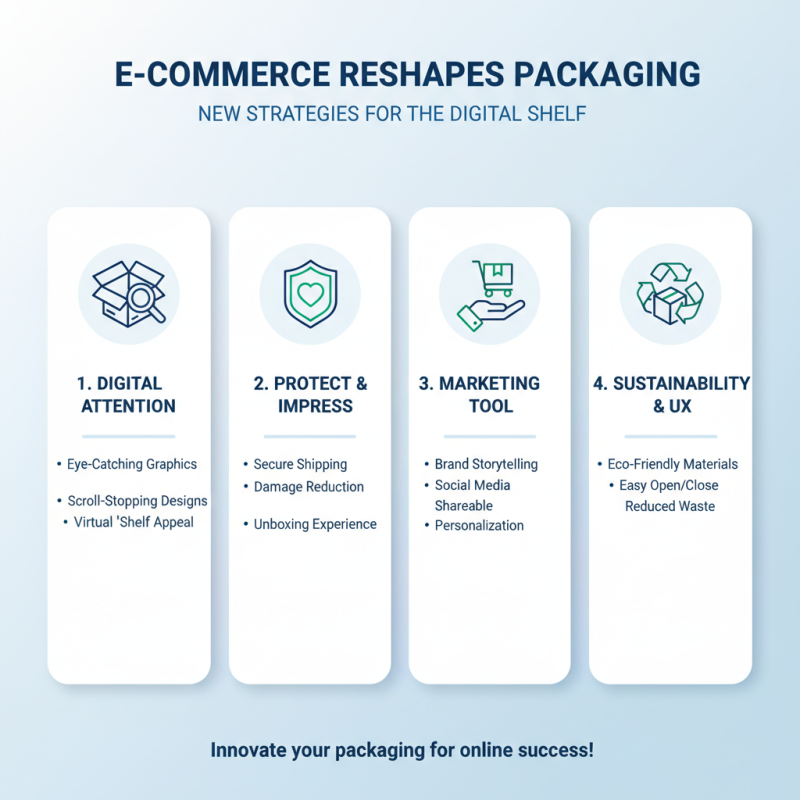
E-commerce has significantly reshaped the landscape of display and packaging strategies. With more consumers shopping online, businesses must rethink how they present products. Packaging now serves not just as protection but as a key element of marketing. Eye-catching designs can draw attention in a digital marketplace. It's important to make a lasting impression while ensuring usability.
Customized packaging has gained popularity. It reflects brand identity and engages customers. However, overspending on elaborate designs can backfire. Evaluate whether the investment aligns with customer expectations. It's essential to find a balance between creativity and cost.
Tips: Focus on sustainability in packaging. Use materials that are eco-friendly. This resonates well with environmentally conscious consumers. Also, consider unboxing experiences. A simple, joyful unboxing can encourage social sharing. Remember, packaging should tell a story, but it shouldn’t overwhelm. Reflect on your designs—do they truly connect with your audience?
Innovations in Smart Packaging: Enhancing Consumer Engagement
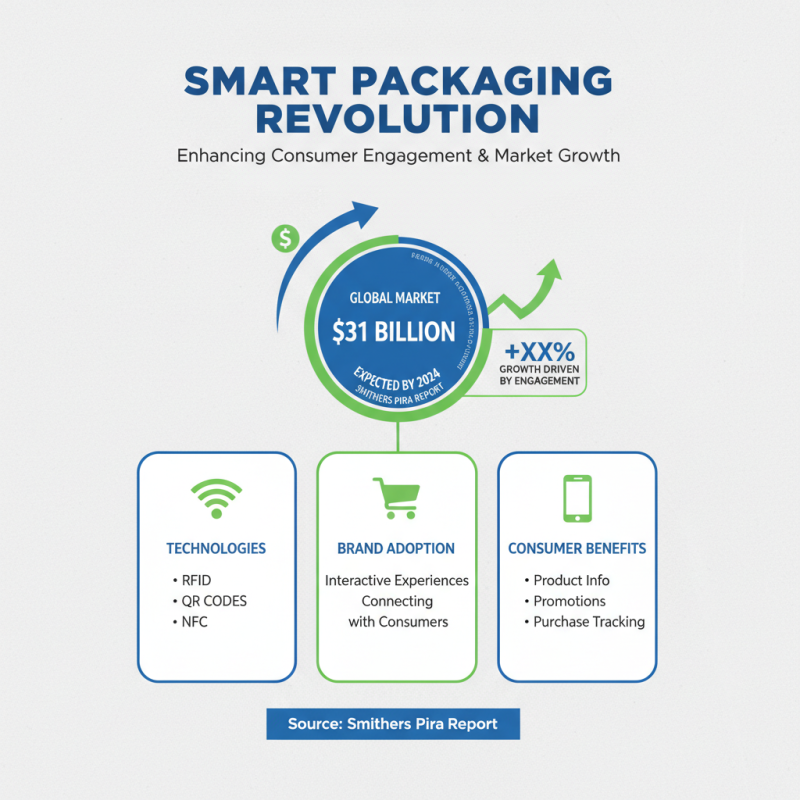
Smart packaging is transforming the way consumers interact with products. According to a recent report by Smithers Pira, the smart packaging market is expected to reach $31 billion by 2024. This growth is driven by the desire for enhanced consumer engagement. Brands are adopting technologies like RFID, QR codes, and NFC to create interactive experiences. These innovations allow consumers to access product information, promotional content, and even track their purchases.
However, while smart packaging can improve the user experience, there are challenges. Not all consumers are tech-savvy. Many may struggle to interact with complex features. A survey by Technavio revealed that 45% of consumers prefer traditional packaging over smart options. This indicates a gap in meeting diverse consumer needs. Brands must balance innovation with accessibility.
Moreover, sustainability is a growing concern. Smart packaging materials can sometimes complicate recycling processes. According to a study by the Ellen MacArthur Foundation, 70% of consumers want brands to use sustainable packaging. Brands must consider the environmental impact while innovating. Addressing these challenges will be crucial for successful implementation.
Trends in Aesthetic Design: Minimalism vs. Maximalism in Branding
In recent years, minimalist design has gained significant traction in branding. This style emphasizes simplicity, clean lines, and ample white space. Brands adopt minimalist aesthetics to convey clarity and focus. Such designs often feature muted color palettes and straightforward typography. This approach resonates with consumers seeking authenticity and honesty. However, the challenge lies in making a strong impression with such simplicity. Striking the right balance between minimalism and expressiveness can be tricky.
On the other hand, maximalism offers a stark contrast. This design philosophy celebrates bold colors, intricate patterns, and elaborate graphics. Maximalist branding aims to evoke a sense of excitement and creativity. It can capture attention in crowded marketplaces, making it memorable. Yet, there can be a risk of overwhelming consumers. Too much detail may lead to confusion rather than engagement. Finding the sweet spot between being visually stimulating and coherent requires careful thought.
Both design philosophies have their merits. Minimalism speaks to those who appreciate elegance, while maximalism captures the thrill of abundance. Brands must assess their target audience and goals before choosing a direction. Ultimately, the success of either approach depends on execution and the message it conveys.
Trends in Aesthetic Design: Minimalism vs. Maximalism in Branding
This chart illustrates the popularity of minimalism and maximalism in branding over the past five years.
Data-Driven Personalization: Custom Packaging for Targeted Marketing
Data-driven personalization in packaging is revolutionizing the marketing landscape. Custom packaging enables brands to connect with consumers on a deeper level. Studies show that 80% of consumers are more likely to buy from brands that offer personalized experiences. This trend is not just theoretical; it's backed by impressive figures.
According to a recent report, personalized packaging can increase conversion rates by 20%. Brands are leveraging consumer data to create unique designs and messages tailored for specific demographics. Imagine a box that reflects your interests or a label that speaks directly to your values. This level of customization fosters loyalty and engagement. It makes customers feel seen and appreciated, which is crucial in today’s competitive market.
However, the journey isn't without challenges. Many brands struggle with the balance between personalization and privacy. Consumers desire targeted offerings, yet they also value their personal information. Finding the right approach is critical. The question remains: how do brands navigate this delicate balance? Another issue is scalability. Custom packaging can be expensive and time-consuming but can yield great returns with the right strategies. Integrating advanced technologies could streamline these processes and promote smarter operations. As brands continue to explore these trends, the focus on authentic connection will likely reshape their packaging strategies.