What is Display and Packaging in Product Marketing?
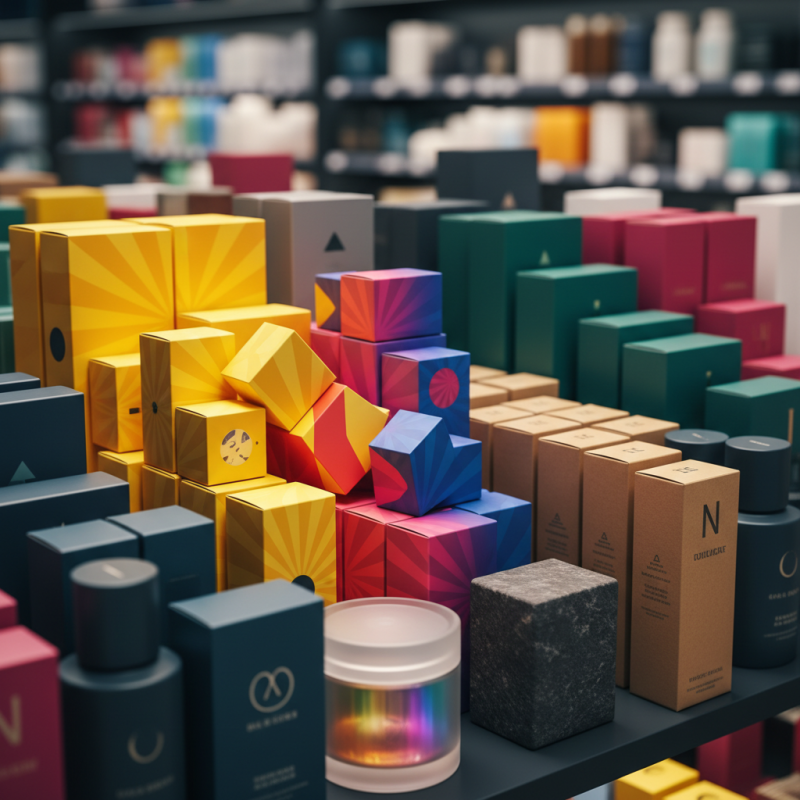
In the realm of product marketing, "display and packaging" play crucial roles. These elements determine how consumers perceive a product. Effective display and packaging can attract attention and encourage purchases. For instance, bright colors and unique shapes can make a product stand out on crowded shelves.
However, not every design is successful. Sometimes, the packaging may not reflect the product's quality. This disconnection can lead to consumer disappointment. A well-thought-out design captures the brand’s essence and meets functional needs. Yet, there is often room for improvement in balancing aesthetics and practicality.
Brands must reevaluate their strategies frequently. What works today may not work tomorrow. Display and packaging decisions can significantly impact sales and brand loyalty. Companies should analyze customer feedback to refine their approach over time. This ongoing process is essential for staying relevant in a competitive market.
Definition of Display and Packaging in Product Marketing
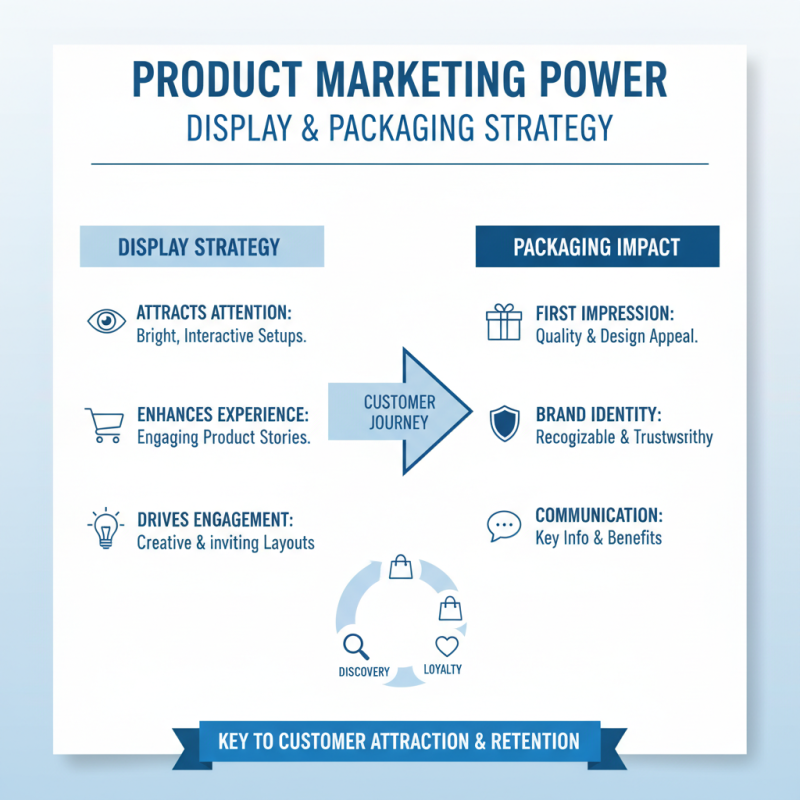
Display and packaging in product marketing play a crucial role in attracting and retaining customers. They serve as the first point of contact between the consumer and product. Effective display strategies can transform an ordinary shopping experience into something captivating. Think about a bright, inviting display that draws eyes and encourages interaction. This is where creativity meets strategy.
Packaging, on the other hand, goes beyond aesthetics. It protects the product and provides essential information. Every box, bottle, or bag can tell a story. However, what seems engaging might not always work. A package can be too complex, or a display might overwhelm. Finding the right balance is essential yet challenging. Both elements should correspond with the brand’s message, but not all designs hit the mark. Reflecting on past successes and failures helps refine these strategies over time.
Importance of Effective Packaging in Brand Identity
Packaging is more than just a protective layer. It serves as a visual identity for brands. When consumers see a product, packaging often grabs their attention first. Bright colors, unique shapes, and engaging graphics make a difference. Well-designed packaging can evoke emotions and create connections. Sometimes, the essence of a brand is captured within its packaging choices.
Effective packaging can be a challenge. It needs to stand out, but also remain true to the brand's voice. Overly complicated designs can confuse consumers. Simple, clean packaging often resonates better. Some brands struggle to balance aesthetics with functionality. It’s worth reflecting on the message that the packaging sends. Does it align with the brand’s philosophy? Does it communicate value? These questions can guide decisions.
Every detail counts in packaging. Textures, materials, and even the opening mechanism matter. A pleasant unboxing experience can enhance brand loyalty. Yet, some brands overlook practicality. A beautiful box that is hard to open can frustrate customers. Finding the right balance is essential. Quality packaging reflects quality products. In a crowded market, every little detail can make or break a sale.
Different Types of Packaging and Their Marketing Functions
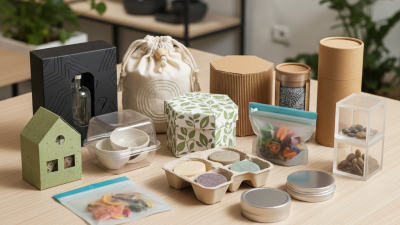
Packaging plays a critical role in product marketing. Different types of packaging serve various marketing functions. There is primary packaging, which directly holds the product. For example, a bottle of juice is its primary packaging. Then, there's secondary packaging, such as the box that holds multiple bottles. Finally, tertiary packaging involves bulk shipping. Each type has its purpose and significance.
Effective packaging communicates brand values. It needs to attract consumers at first glance. Creative designs can grab attention quickly. However, packaging should also be functional. It must protect the product and be easy to handle. A beautiful package is of little use if it falls apart easily. Reflecting on this can lead to improvements in product design.
Sustainable packaging is becoming increasingly important. Consumers care about the materials used. Eco-friendly options can enhance brand image. But, is the company truly committed to sustainability? Consumers may be skeptical. Transparency in sourcing materials builds trust. Packaging should not just be eye-catching; it should also reflect ethical practices. Balancing visual appeal with functionality and sustainability can be a challenge.
What is Display and Packaging in Product Marketing? - Different Types of Packaging and Their Marketing Functions
| Packaging Type |
Description |
Marketing Function |
| Cartons |
Foldable boxes made from paperboard, used for various products. |
Brand visibility and protection of contents. |
| Bottles |
Containers, typically made of glass or plastic, for liquids. |
Customer appeal and product freshness. |
| Pouches |
Flexible packaging often used for snacks and powders. |
Lightweight and space-efficient; allows for vibrant designs. |
| Cans |
Metal containers primarily used for beverages. |
Durability and ease of transport; excellent for cold drinks. |
| Blister Packs |
Pre-formed plastic packaging with cavities for products. |
Protection and tamper-resistance; visibility of the product. |
Role of Display Techniques in Retail Environments
The role of display techniques in retail environments is crucial for capturing customer attention. Effective displays create intrigue and invite shoppers to explore. Bright colors, imaginative layouts, and unique arrangements can transform a simple product into a focal point. These visual elements can attract impulse buyers and enhance the shopping experience.
However, not all displays work. Some may overwhelm or confuse shoppers. A cluttered setup can lead to frustration rather than excitement. It's important to strike a balance between creativity and clarity. Simplicity can also be impactful. An elegant arrangement might invite more engagement than a flashy one. Learning from past display failures can guide future strategies.
Staff training is another key to successful displays. Employees should understand how to highlight certain features. They can contribute insights based on customer interactions. Frequent assessments of display effectiveness can reveal what resonates. Adjustments should be ongoing. Retail environments are dynamic. Keeping displays fresh is essential for maintaining interest and encouraging return visits.
Impact of Sustainable Packaging on Consumer Perception and Behavior
Sustainable packaging significantly influences consumer perception and behavior. A report by McKinsey revealed that 67% of consumers prefer brands using eco-friendly packaging. This preference emerges from a growing awareness of environmental issues. Consumers often link sustainable practices to brand integrity. Quality matters too. Packaging that looks and feels premium can elevate a product's value in consumers' eyes.
There's a dichotomy in consumer behavior. While many want sustainable options, not all are willing to pay more. According to Cone Communications, 53% of consumers are willing to pay extra for sustainable products. However, some still prioritize price over sustainability. The challenge lies in balancing cost and eco-friendliness. Brands must innovate to meet this demand without sacrificing quality.
Marketing teams should not only focus on aesthetics but also on transparency. Many consumers demand information about packaging materials. A study by Nielsen indicated that 73% of millennials are willing to pay for brands that are transparent about their sustainability efforts. Consumer trust hinges on clarity. Yet, not all brands successfully communicate their packaging's ecological benefits, leading to confusion among shoppers.