How to Choose the Right Class Packaging for Your Products?
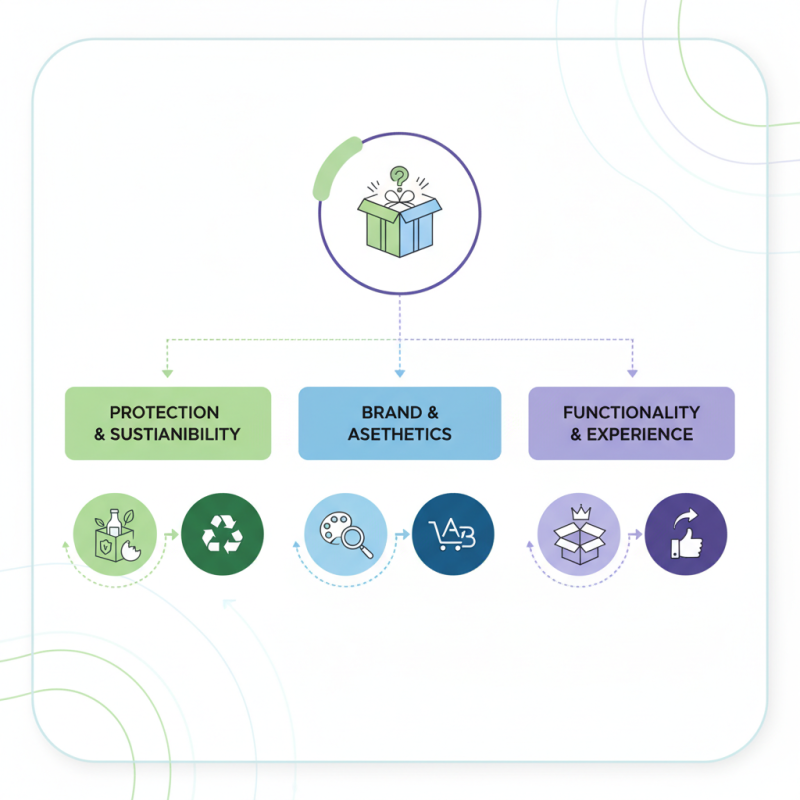
Choosing the right class packaging for your products is crucial. The packaging not only protects the item but also attracts customers. It reflects your brand identity and quality.
Class packaging comes in various styles and materials. Consider the nature of your product. A fragile item needs sturdier packaging. Meanwhile, eco-friendly options can appeal to environmentally aware consumers. Colors and designs should align with your brand image.
Many businesses overlook functionality in their packaging choices. Some designs may look great but are impractical. Rethink how your product is used. Will the packaging enhance the customer experience? This reflection is key to making better choices.
Understanding Product Requirements for Packaging Selection
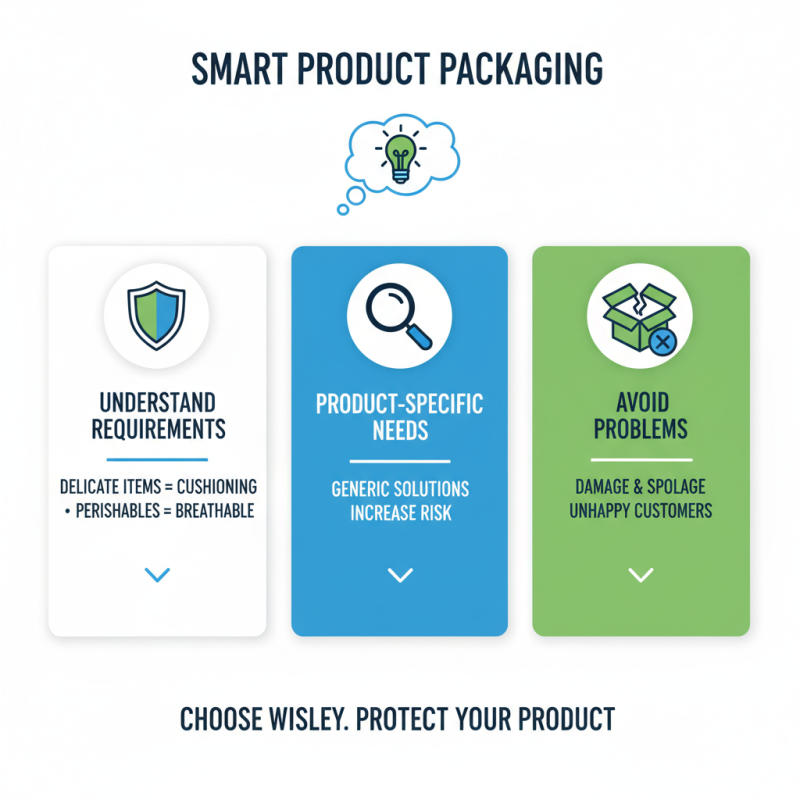
When selecting packaging for products, understanding requirements is crucial. Each product comes with unique needs. For example, delicate items need cushioning material, while perishables require breathable wraps. This specificity often gets overlooked. Many choose generic solutions, which can lead to damage or spoilage.
Consider the product dimensions and weight. A lightweight item might use simple cardboard. On the other hand, heavy products demand sturdier options. The right packaging safeguards the product while carrying a compelling design. However, striking this balance isn't always easy. Companies often err on the side of creativity without considering functional attributes.
Shipping and storage also play key roles. Packaging must protect the product through various transport conditions. Too often, businesses underestimate these logistics. They face the risk of returns or damaged goods. Reflecting on these aspects will guide better decisions in packaging selection. Ultimately, thorough consideration of the product requirements leads to improved satisfaction and minimizes waste.
Evaluating Material Options for Packaging Durability and Safety
When selecting packaging materials, durability and safety are paramount. The choice of materials can significantly impact product presentation and user experience. Consider paper, plastic, glass, and metal. Each material has strengths and weaknesses. Paper is recyclable, yet it may not withstand moisture. Plastic is lightweight, but environmental concerns linger.
Glass offers excellent protection but is fragile and heavy. Metal packaging is resilient and can keep products fresh, yet it may be costly. Assess how each option performs during transport. Will it resist crushing? Does it ensure product safety? These questions are crucial for longevity and customer satisfaction.
Sustainability also plays a vital role in decision-making. Brands often overlook this aspect. Choosing biodegradable materials can enhance reputation while attracting eco-conscious consumers. Look for certifications that verify environmental claims. Reflect on the balance between cost and effectiveness. This intricate selection process requires thoughtful evaluation.
How to Choose the Right Class Packaging for Your Products?
| Material Type |
Durability Rating |
Safety Features |
Environmental Impact |
Cost per Unit |
| Cardboard |
Moderate |
Non-toxic, recyclable |
Biodegradable |
$0.10 |
| Plastic |
High |
Water-resistant, lightweight |
High environmental impact |
$0.05 |
| Glass |
Very high |
Non-reactive, recyclable |
Low environmental impact |
$0.50 |
| Metal |
High |
Corrosion-resistant, recyclable |
Moderate environmental impact |
$0.30 |
| Bioplastics |
Moderate |
Biodegradable, non-toxic |
Low environmental impact |
$0.25 |
Assessing Cost-Effectiveness in Packaging Solutions
Choosing the right packaging is crucial for any product. Cost-effectiveness plays a significant role in this decision. Packaging not only protects products but also influences customer perception. Assessing material costs, shipping expenses, and sustainability can help find the best solution.
Consider the following tips when evaluating packaging options. First, analyze the materials available. Some may be cheaper, but do they offer sufficient protection? A fragile item may require better packaging, leading to higher shipping costs if not addressed. Secondly, think about bulk purchasing. It can reduce costs, yet storing excess materials can be challenging. When deciding, balance immediate savings and long-term storage needs.
Lastly, focus on design efficiency. An attractive package can enhance market appeal but might increase expenses. Analyze whether the design truly contributes to sales. This reflection can save money and improve overall value.
Aligning Packaging with Brand Identity and Consumer Expectations
When selecting packaging for your products, consider brand identity closely. Your packaging should reflect your values and mission. For example, eco-friendly materials can signal a commitment to sustainability. Bright colors and bold designs may attract attention but can misalign with a luxury brand's expectations. It's worth reflecting on what your packaging really conveys.
Consumers form quick impressions. Packaging is often their first touchpoint with your brand. If you sell handmade products, rustic packaging may resonate well. On the other hand, sleek, modern packaging could appeal to tech-savvy audiences. Pay attention to details like texture and weight, too. A flimsy box can undermine perceived quality.
Always seek feedback on your packaging choices. Sometimes, what seems perfect to you may not resonate with consumers. Testing different designs can reveal surprising insights. Consider incorporating consumer reviews into future iterations. Each choice carries weight, but not every attempt will meet expectations. Embrace this as part of the journey in refining your brand's identity.
Navigating Environmental Considerations in Packaging Choices
When it comes to packaging, environmental considerations are crucial. Studies indicate that 72% of consumers consider sustainability when making purchase decisions. This emphasis on eco-friendly solutions has pushed businesses to rethink their packaging choices. Materials like biodegradable plastics, recycled cardboard, and minimalistic designs are gaining traction. Yet, the industry faces challenges. Not all supposedly green options are truly sustainable. The complexity of supply chains and misinformation can lead to poor choices.
Tips for choosing sustainable packaging include prioritizing materials that are certified renewable. Look for those that are easily recyclable. Invest in lifecycle assessments to ensure your packaging minimizes environmental impact. Always explore local sourcing to reduce your carbon footprint.
It’s worth noting that moving toward sustainable packaging may incur higher initial costs. However, potential savings in waste management and consumer loyalty should not be overlooked. As the market evolves, staying informed is key. Sometimes, what appears eco-friendly may not be as beneficial. Hence, continuous research and genuine commitment to sustainability are essential for success.
Understanding Environmental Impact of Packaging Choices