2026 How to Choose the Best Mailer Packaging for Shipping?
When it comes to shipping, choosing the best mailer packaging is crucial. The right packaging ensures that your products arrive safely and intact. This can greatly impact customer satisfaction. Many businesses overlook this important detail.
Mailer packaging comes in various sizes and materials. Each option serves different needs. Whether you are shipping fragile items or bulky goods, you need to consider the right type. Stronger materials often offer better protection. However, they can be more expensive. This creates a challenge for budget-conscious businesses.
Additionally, eco-friendly options are gaining popularity. Many consumers prefer sustainable packaging. This means businesses must balance cost and environmental impact. The process of choosing mailer packaging can be overwhelming. Understanding your specific shipping needs is key to making the right decision. It’s essential to reflect on what works best for your products and your brand.
Understanding Different Types of Mailer Packaging for Shipping
When selecting mailer packaging for shipping, understanding the various options available is crucial. Different types of mailers serve different needs. For instance, poly mailers are lightweight and provide moisture resistance. They're perfect for soft goods or apparel but may not offer enough protection for fragile items. On the other hand, padded mailers add an extra layer of cushioning. They are ideal for shipping breakable products but can be bulkier and more expensive.
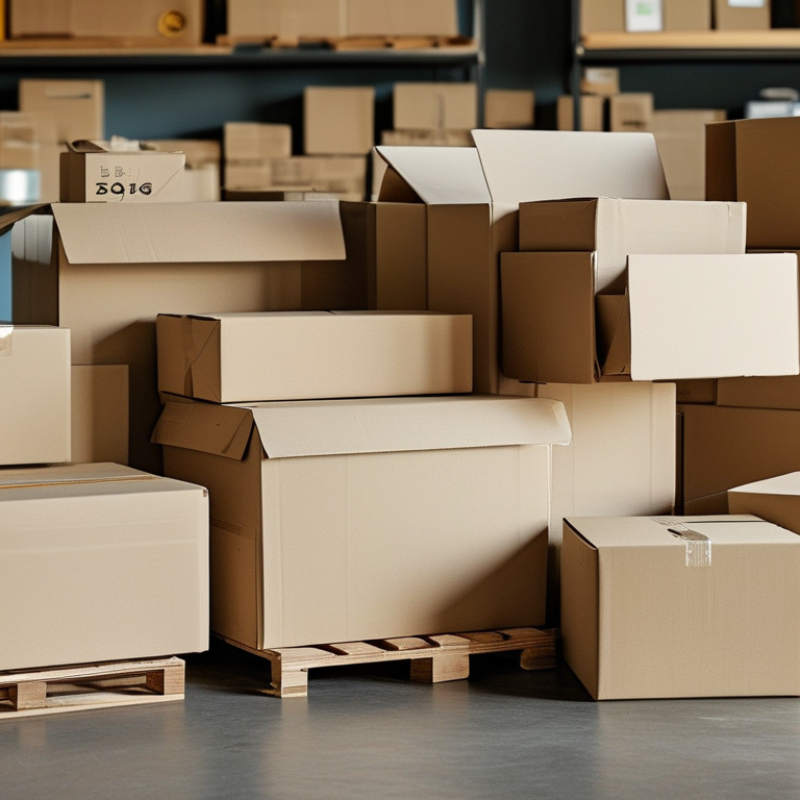
Rigid boxes are another popular choice. They provide excellent protection and are suitable for fragile items. However, they can add weight to your shipment, increasing costs. Choosing the right size is essential. A box that is too large can lead to damage during transit. A smaller box can save on shipping costs but might not fit the product well.
It's important to reflect on your specific shipping needs. Consider whether the products are prone to damage and how much protection they need. Also, weigh the cost implications of different packaging options. Ultimately, the best mailer packaging balances product safety and cost-effectiveness while meeting your shipping requirements.
Factors to Consider When Choosing Mailer Packaging
Choosing the right mailer packaging is essential for any shipping process. Various factors come into play when making this decision. One key aspect is the weight of the items you are shipping. According to the Packaging World report, 39% of customers consider the overall weight when receiving shipments. Lighter packaging can significantly reduce shipping costs and can enhance customer satisfaction.
Durability is another critical consideration. Packaging that can withstand rough handling is vital. A study by the International Journal of Packaging reveals that nearly 30% of products are damaged during transit. Selecting appropriate materials, such as bubble mailers or cardboard boxes, can help prevent this issue. It’s crucial to analyze the shipping environment, as different carriers and regions might expose packages to varying conditions.
Additionally, the environmental impact of your packaging cannot be overlooked. With increased consumer awareness, sustainable packaging methods are in demand. Research shows that 72% of consumers are willing to pay for eco-friendly options. Balancing cost with sustainability is a challenge many businesses face. The right packaging choice reflects your brand values and can influence customer loyalty.
Factors to Consider When Choosing Mailer Packaging
Evaluating the Durability and Protection of Mailer Options
Choosing the right mailer packaging is crucial for shipping. The durability of the packaging impacts the safety of the contents during transit. When evaluating mailer options, consider how well they withstand pressure, moisture, and temperature fluctuations. Materials like bubble mailers offer cushioning and are suitable for fragile items. However, they may not be waterproof, which can lead to potential damage.
Consider the weight of the mailer as well. Heavier packaging may increase shipping costs. Lightweight materials can save money, but they might lack robustness. It's essential to strike a balance between protection and cost. Some options might seem durable but may not perform well under stressful conditions, leading to customer dissatisfaction.
Testing different packaging types in real-world scenarios can reveal their weaknesses. It’s not enough to rely on manufacturer claims. For instance, while a package might look appealing, if it fails to protect goods during transit, it becomes useless. Trusting your judgment and gathering feedback from customers can lead to better choices. Reassessing your packaging strategy regularly allows you to adapt to changing needs.
Cost-Effectiveness of Various Mailer Packaging Solutions
When selecting mailer packaging for shipping, cost-effectiveness is a top priority. Various types of packaging vary significantly in price and utility. For instance, padded mailers often provide better protection but can cost more than plastic envelopes. Understanding the shipping requirements of your products is crucial. This knowledge can help in choosing options that do not compromise quality.
Consider the materials used in packaging. Recyclable options may initially cost more, but they can foster customer loyalty. People appreciate sustainable practices. Assessing the long-term benefits of different mailers is essential. Sometimes, cheaper materials leave items damaged. This can lead to costly returns and unhappy customers.
Shopping around for bulk discounts can make a big difference. Many suppliers offer deals for larger orders. However, be cautious about quality. A slightly higher upfront cost can lead to significant savings in the long run. Focus on finding the right balance between cost and performance. Over time, you will discover what works best for your specific needs. Balance is key in achieving a cost-effective shipping strategy while ensuring product integrity.
Sustainability and Eco-Friendly Options in Mailer Packaging
Sustainability in mailer packaging has gained traction in recent years. According to a report by McKinsey, 60% of consumers consider sustainability when making purchasing decisions. This shift is prompting businesses to explore eco-friendly mailing materials. Options such as recycled cardboard and biodegradable plastics are becoming popular. However, not all packaging labeled as “green” is truly sustainable. Companies must evaluate their suppliers and materials.
Choosing the right mailer involves assessing not just the environmental impact, but also the practicality. Lightweight packaging reduces shipping costs and carbon footprints. A study by the World Economic Forum suggests that optimizing packaging can decrease emissions by up to 30%. However, one must avoid overpacking, which can lead to excessive waste.
To ensure sustainability, it is vital to educate your team on the importance of eco-conscious choices. Consider sourcing from local suppliers to minimize transport emissions. Testing different materials for durability can provide insight into effective, sustainable options. The transition to greener packaging often requires a mindset shift. A critical reflection on existing practices can lead to better choices in the long run.